What do you need for emergency sanitation after a disaster?
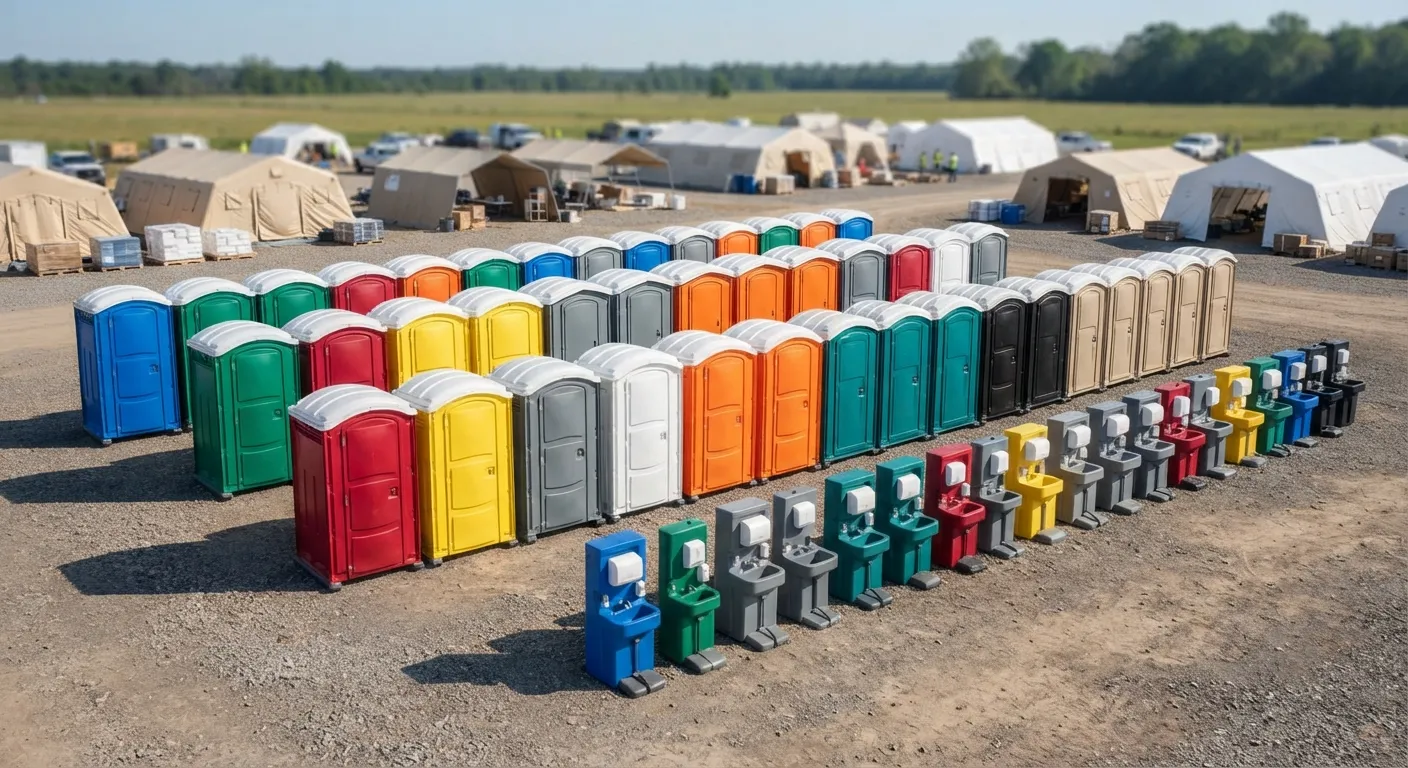
Start with toilets, water and a way to wash hands, because those three things break down fastest when a storm knocks out utilities. A standard porta potty covers the basic need, and OSHA 1926.51(c) sets the ratio crews use for reference: one toilet for 20 workers or fewer, then one toilet and one urinal per 40 as headcount climbs. Shelters and relief staging areas in New Braunfels follow that same logic even though it was written for job sites. OSHA 1926.51(a)(1) also calls for an adequate supply of potable water anywhere people are working or sheltering, which is why we pair toilets with handwashing station rental or a simple portable sink rental at the same drop point. If the water table is unstable and normal plumbing is out, a holding tank rental gives a shelter or command post somewhere to send graywater until the system's back up. For larger relief operations we also bring in temporary fencing to secure supply areas and a storage container for donated goods and equipment. None of this needs to be complicated. It needs to show up fast and keep working while the neighborhood recovers.
How fast can you deliver during a disaster response?
Delivery speed depends on road access and how many units the response calls for, but we prioritize disaster calls ahead of routine bookings. A roll-off or restroom trailer delivery needs about 60 feet of straight clearance behind the truck, so if debris is blocking a driveway or street, tell us before we load out. Standard units run $100 to $350 a day depending on count and duration, and a weekly rate for a shelter running multiple days lands between $130 and $500. For a command post or check-in area needing something nicer than a standard unit, a deluxe flushable porta potty is available. Emergency response often runs faster than any normal quote process, and our emergency porta potty rental line exists specifically for storm and flood callouts. Seguin sits 14.6 miles southeast of New Braunfels and Cibolo is 14.9 miles southwest, both close enough that a regional disaster response can stage units at multiple points without long drive times eating into response hours. If the disaster has knocked out a lift station or a home's septic system is backing up under flood pressure, septic pumping service can pump a tank in distress before it becomes a second emergency layered on top of the first.
Where should units be placed during a disaster response?
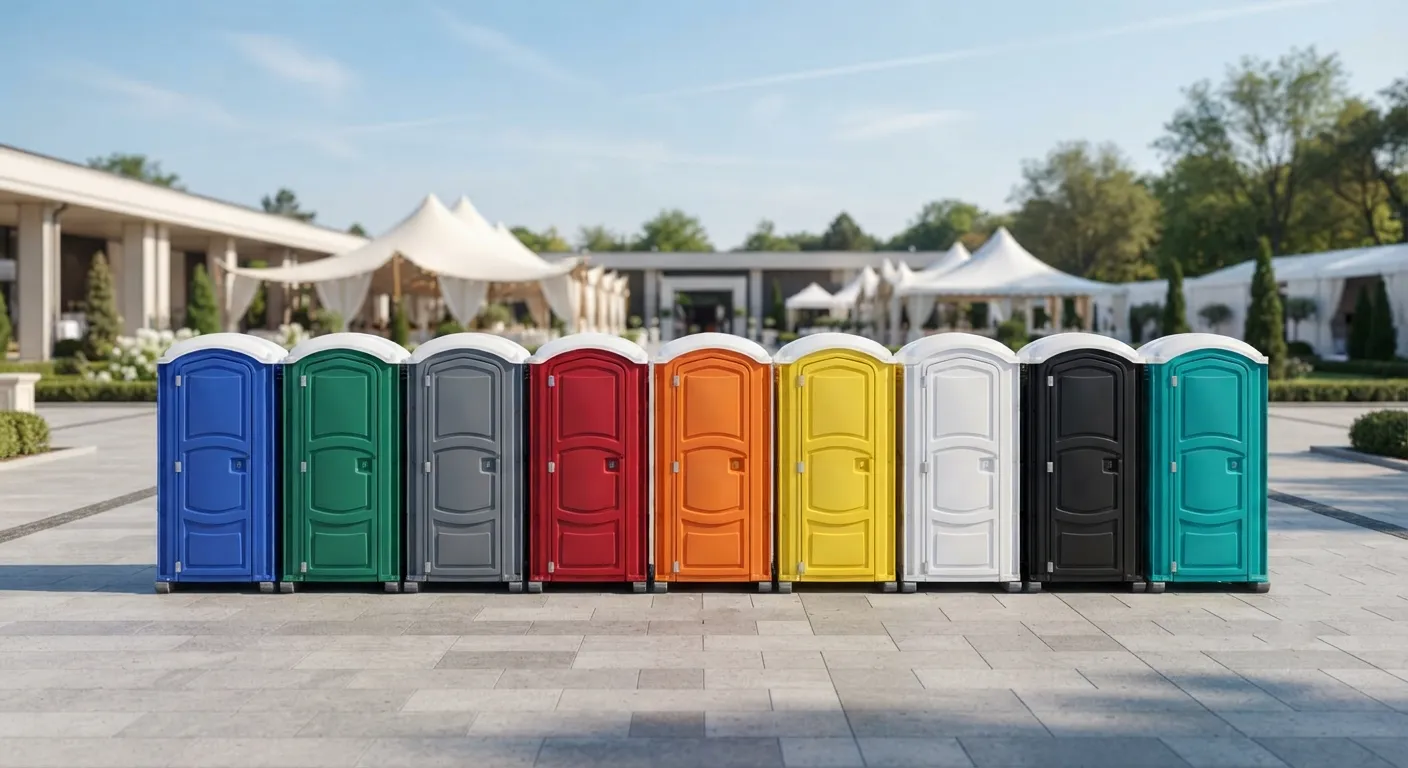
Placement during disaster relief follows the same physical rules as any other job, just under worse conditions. ADA Standards section 302.1 requires floor and ground surfaces to be stable, firm and slip resistant, which matters more, not less, when the ground is saturated from flooding. ADA Standards section 213.2 requires at least 5 percent of clustered single-user units to be accessible, never fewer than one, and a shelter serving displaced residents of all mobility levels needs that covered from day one, not added later. Our ADA accessible porta potty units meet that standard and rent from $200 a day, with a weekly rate for longer relief operations running higher than any single day. Ground access matters too: ADA Standards section 405.2 limits ramp slope to 1:12, so units placed on uneven storm debris may need a leveling pad or ramp before they're usable. If the relief site is spread across a larger footprint, like a fairground or church parking lot being used as a staging area, our event restroom rental team can plan placement across the whole site rather than unit by unit. For sites managing volume debris removal alongside sanitation, a roll-off dumpster rental staged near the sanitation cluster keeps both problems solved in one visit instead of two truck trips.
| unit | day | week | month |
|---|---|---|---|
| standard | $100 - $350 | $130 - $500 | $125 - $325 |
| ada | $200 - $400 | $240 - $400+ | - |
| deluxe | $85 - $1200 | $150 - $290 | - |
How many toilets does a shelter need?
It depends on headcount and hours of operation. ANSI/PSAI Z4.3 sets a baseline service interval of once a week for up to 10 users over a 40 hour week, but a shelter running around the clock needs more frequent service and more units per person than that baseline assumes. Use how many porta potties do i need as a starting calculator, then call so we can adjust for shelter hours.
Can you deliver on short notice during an active storm response?
Yes, within safe driving conditions. We prioritize disaster and emergency calls over standard bookings, and our emergency porta potty rental service is built for exactly this. If roads are impassable we will say so plainly and reschedule the moment they clear.
Do you provide handwashing separate from the toilets?
Yes. 29 CFR 1910.141(d)2 requires soap and towels or a hand-drying device at washing facilities, since hand sanitizer alone does not meet that standard. Our hand sanitizer station rental supplements but does not replace a proper handwashing station where food or medical aid is being distributed.
What if the disaster site has no accessible power or water?
We bring self-contained units that need neither. Standard and ADA units run without hookups, and a holding tank rental handles graywater if plumbing is compromised. Ask about pairing with light tower rental if the site loses power overnight.
Do you serve areas outside New Braunfels during regional disasters?
Yes. We cover Seguin, Cibolo, Schertz, Universal City and Converse, and our service areas page lists driving distances for each. Regional disasters often call for multi-site response, and we stage accordingly.
Next step
Get a delivery date
Tell us the address, the dates and the headcount. We size the order and confirm the route.